By Steve Primm, Conflict Reduction Manager
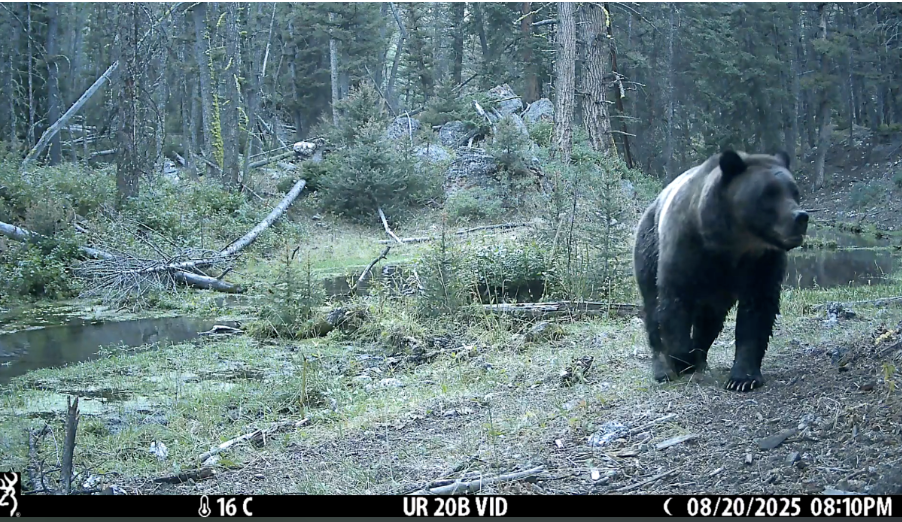
PHOTO: A still frame from a video showing a grizzly bear, courtesy of Steve Primm, Conflict Reduction Manager at Heart of the Rockies.
In many parts of the Rocky Mountains, livestock spend part of the year grazing mountain pastures on public lands managed by the US Forest Service or Bureau of Land Management, a tradition that dates back to the 19th Century. In the past 30 years, grizzly bears and wolves have moved back into those same mountains, sometimes preying on the cattle and sheep that use these lands.
Predation on livestock lead to a cascade of problems, well beyond the individual animals that get killed: cattle and sheep will redistribute themselves, sometimes busting through fences, in response to pressure from predators. That means they aren’t grazing in places they’re supposed to, and may overuse areas where they feel relatively safe. Fleeing from predators is also stressful, potentially lowering weight gain, reducing pregnancy rates, and making livestock more susceptible to illnesses.
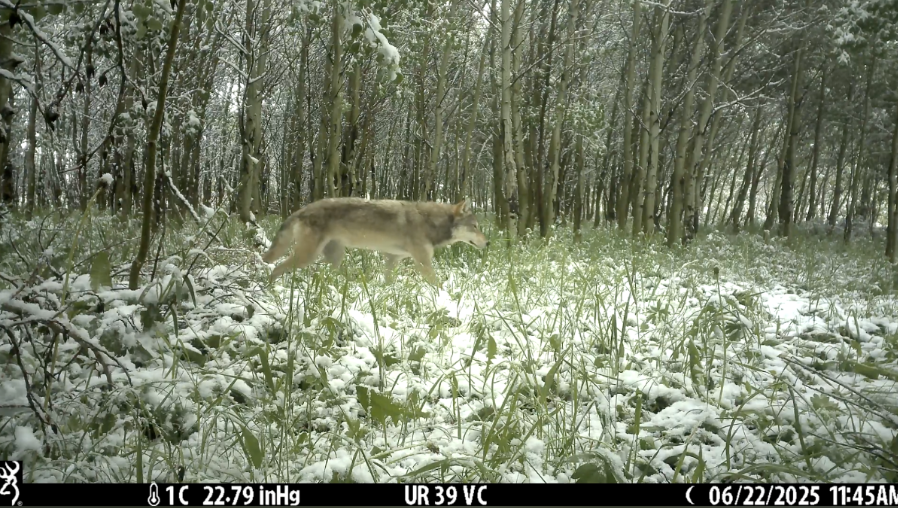
PHOTO: A still frame from a video showing a wolf in a spring snow shower, courtesy of Steve Primm.
To maintain ranching economies and traditions – and thereby help conserve irreplaceable private ranchlands in the West – ranchers and conservationists have been working to find ways to reduce grizzly and wolf depredation on these public land grazing allotments that sustain many livestock operations. One of the key practices is more of a revival of old ways rather than something brand new: Range Riding, or having skilled, observant riders spend time with livestock, watching for signs of predator activity.
Range riding is more of a set of tactics than any one activity. Experienced riders observe livestock behavior for signs of stress or hypervigilance, and keep an eye out for stock that may need veterinary care for illness or injury, so they aren’t easy targets for hungry carnivores.
Range riders also look for evidence that grizzlies, wolves, and other predators are in the vicinity of livestock. To that end, many riders also deploy automated cameras in and around their grazing areas, to have literally a better picture of who they’re sharing the range with. We’ve been fortunate at Heart of the Rockies to collaborate with some of our partners in placing and monitoring these cameras in several areas.
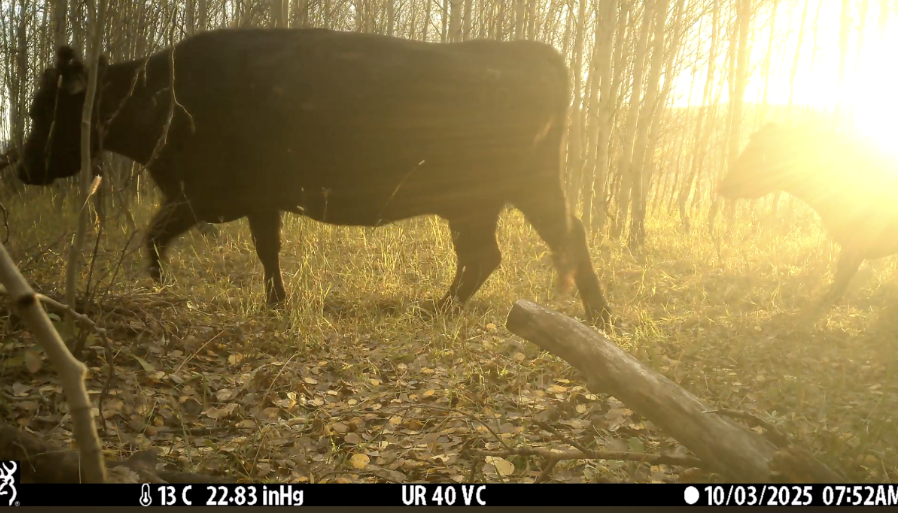
PHOTO: Still frame from a video showing cattle cruising by the camera in the morning sun, courtesy of Steve Primm.
While we sometimes end up with hundreds of photos of cattle, the cameras also give us a glimpse into the abundant wildlife that share these mountains with ranching operations. Ranchers and wildlife managers can use the information from cameras to better plan range riding strategies, as well as attune to the safety concerns of having grizzlies in the area.
Learn more about Heart of the Rockies Initiative’s Carnivore Conflict Reduction work here.