Steve Primm, Carnivore Conflict Reduction Manager
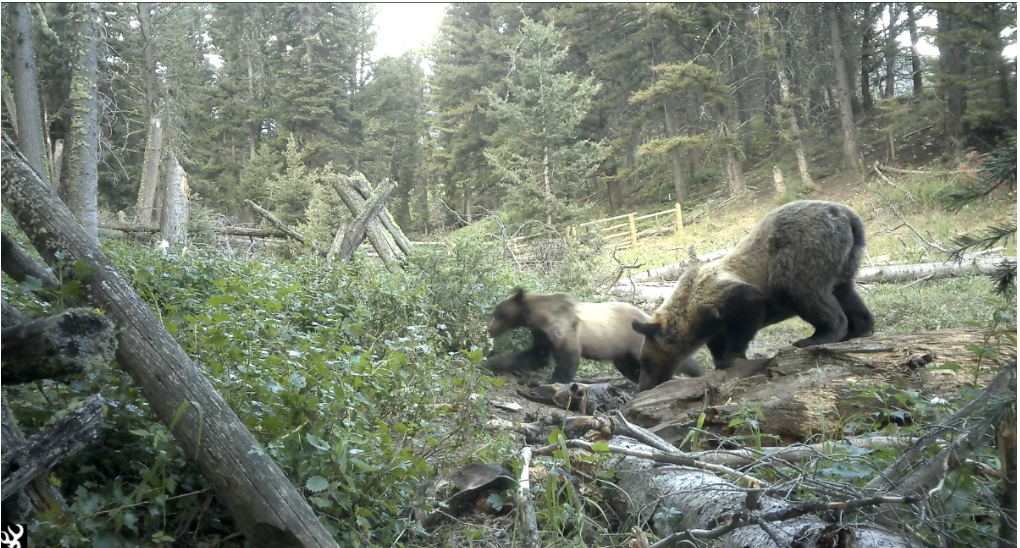
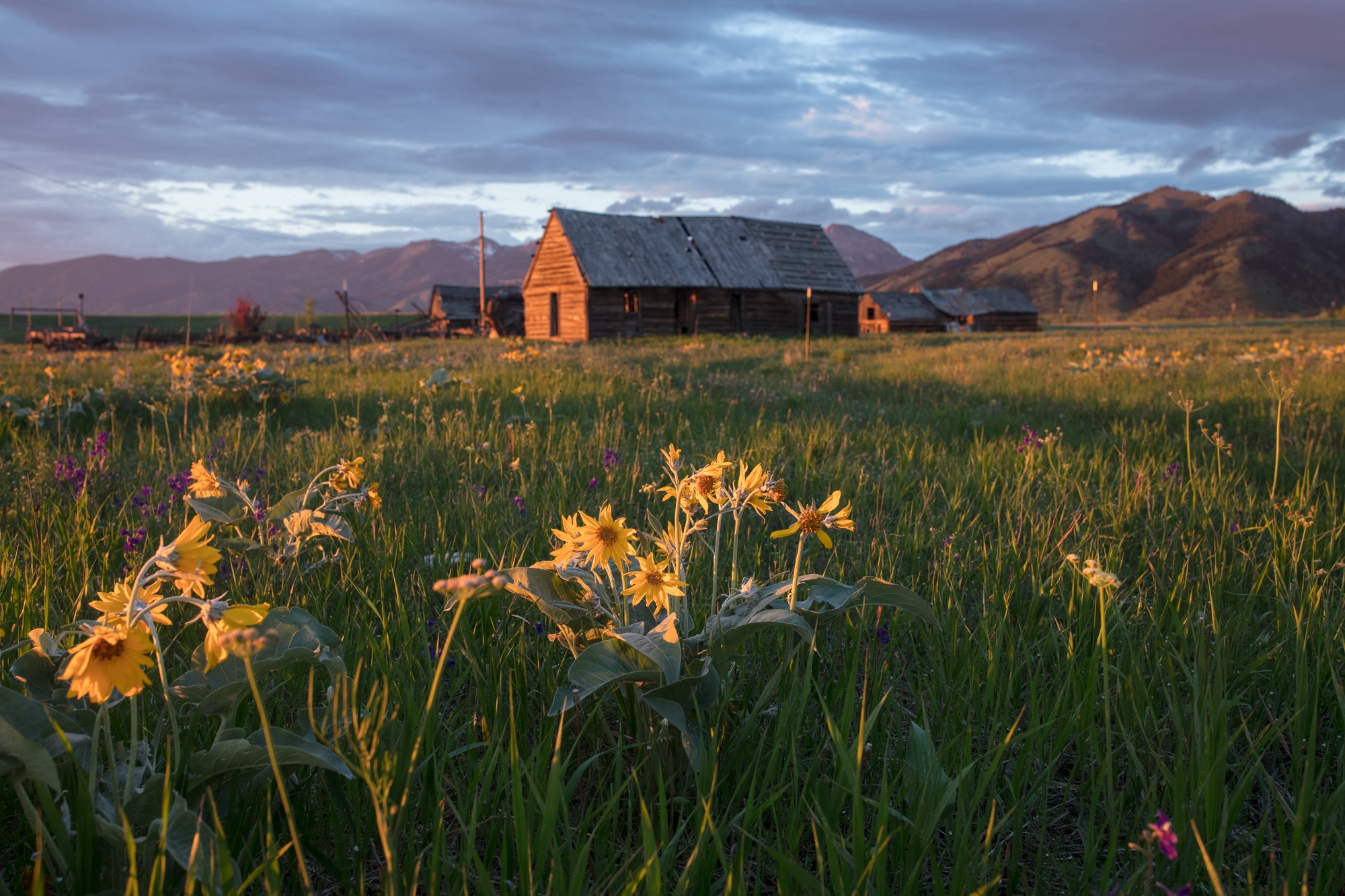
Springtime in the Rockies is always a marvelous season: flowers emerge, favorite birds – such as sandhill cranes and Western Tanagers — migrate back from their wintering grounds, and lots of mammals give birth. Spring also means bears – grizzly and black — come out of their dens and mix their inimitable charm back into the landscape. Part of why the presence of bears is so tangible on the land, however, is that they undeniably add an element of risk when they roam the hills.
Already this spring, there have been dangerous encounters between bears and humans in the western half of North America, including two tragic fatal attacks. One of the deadly attacks occurred in Montana’s Glacier National Park, with preliminary evidence pointing to a grizzly bear fatally injuring a lone hiker, likely due to a surprise encounter. And in remote northern Saskatchewan, a black bear killed a worker in a uranium mining area.
At Heart of the Rockies, our Carnivore Conflict Reduction team primarily focuses on efforts to reduce bear conflicts with agriculture, and property damage due to bears seeking unnatural foods like garbage, pet food, or bird seed. But direct risks from bears to human safety are always part of the equation: virtually any bear – grizzly or black – could be dangerous to people.
We work with partners to share knowledge about these inherent risks, and to take appropriate precautions, especially in grizzly bear habitat. Grizzlies are simply more dangerous than black bears, primarily because their evolutionary past shaped their behavior differently. American black bears evolved on the North American continent in mostly forested environments, and they learned to respond to threats by fleeing into cover or climbing up trees.
Grizzlies, in contrast, evolved in treeless biomes like the glaciated Eurasian landmass and Beringia’s grasslands; they shared these spaces with bigger, meaner, long-extinct predators like the short-faced bear or sabre cats. Grizzlies that survived and raised offspring in that setting passed down a set of behaviors to the bears we know today: with nowhere to run to, they learned to decisively respond to threats with a burst of defensive aggression. That reactivity is the reason mother grizzlies account for a large percentage of injury incidents with people.
Education and training are crucial for people to stay safe while working, playing, and living in places where they might encounter grizzlies. Safety goes beyond understanding how to safely hike through grizzly habitat, though: grizzlies and black bears that learn to seek out unnatural foods – such as garbage, grain, backyard chickens – pose greater risks to safety, in part because they are simply spending more time near high densities of people, greatly increasing the odds of a close-range encounter. Bears seeking out human foods may also become aggressive and destructive as they forage, demonstrated by the long-standing problem of black bears tearing open cars in California’s Yosemite National Park.
Bear safety, then, must be part of a larger context of proactively addressing bear-human conflict generally. Heart of the Rockies’s Carnivore Conflict Reduction team has the privilege of working with a wide range of partners across our region to support proactive projects to keep bears out of trouble. Our community partners throughout lower-48 grizzly range are leading the way with comprehensive conflict reduction programs, from improved rural garbage infrastructure and education programs to livestock carcass management systems and range riding on mountain grazing allotments. By reducing the chances that a bear will key in on unnatural foods, these efforts keep bears and people safer.